Natural Complexes: Nutritional Context
An informational reference on plant-derived ingredients commonly discussed in the context of balanced nutrition. All descriptions are educational and do not constitute recommendations for individual use.
Spotlight: Chia Seeds
Chia Seeds
Native to Central America, chia seeds have been consumed as a food ingredient for centuries. They are notable among plant-based foods for their high concentration of alpha-linolenic acid (ALA), a type of omega-3 fatty acid, as well as both soluble and insoluble dietary fibre. A small quantity of chia seeds contributes meaningfully to daily fibre intake and provides calcium, phosphorus, and manganese alongside protein.
- Concentrated source of omega-3 alpha-linolenic acid (ALA)
- High ratio of dietary fibre relative to weight
- Contains calcium, phosphorus, and antioxidant compounds
Natural Ingredient Profiles
Each profile below presents general nutritional information about the ingredient and three broad properties commonly referenced in nutritional literature. These are educational summaries only.
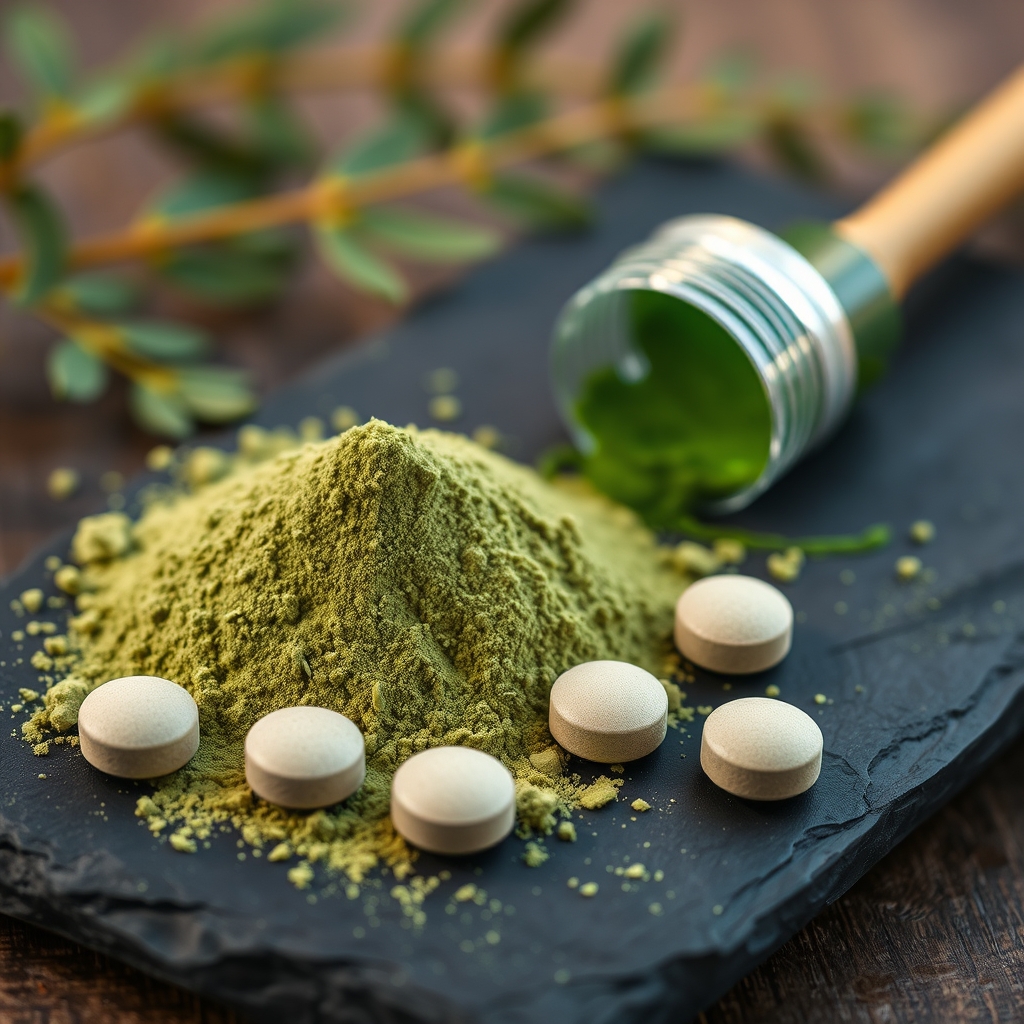
Spirulina Powder
A blue-green algae cultivated in freshwater environments. Spirulina is recognised for its high protein density and the presence of phycocyanin, a natural blue pigment with antioxidant properties. It also contains B vitamins, iron, and essential amino acids.
- High protein content per gram of dry weight
- Source of B vitamins including B1, B2, and B3
- Contains phycocyanin, a natural antioxidant compound
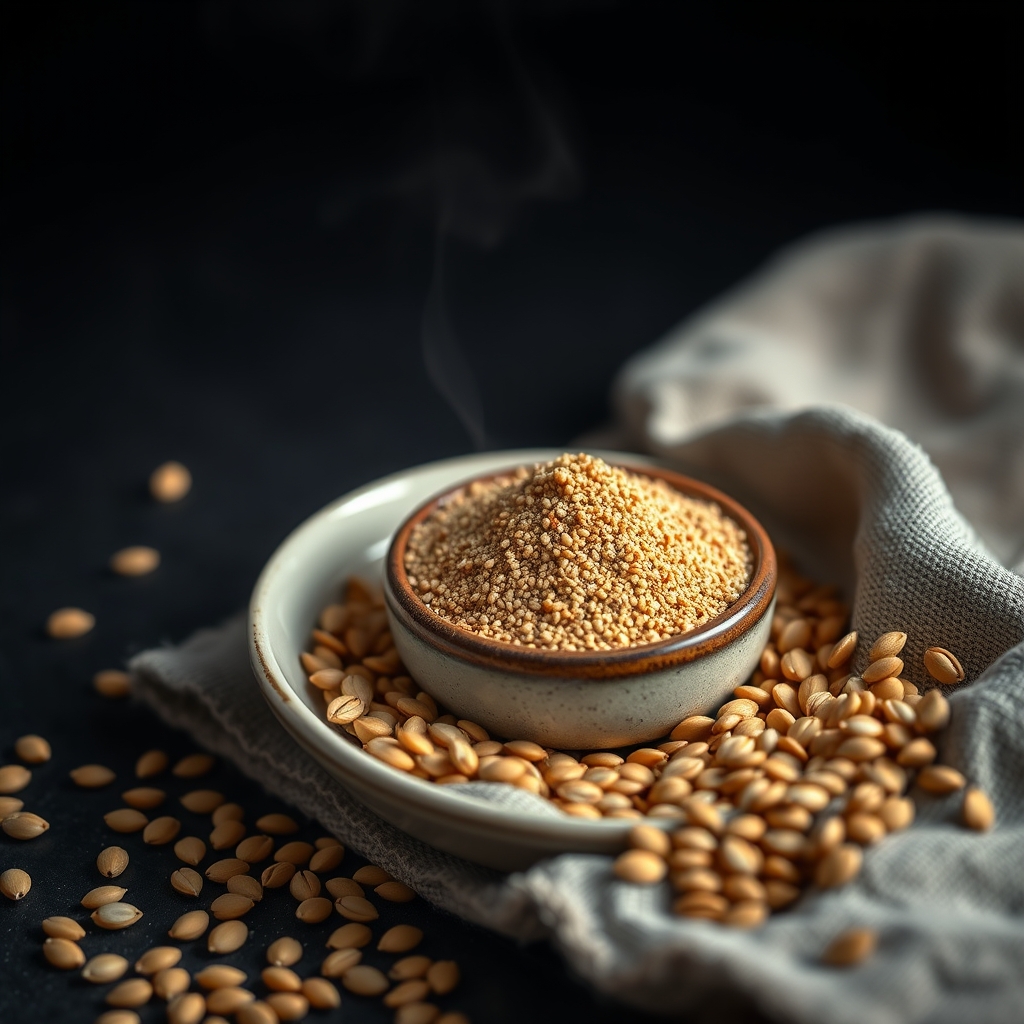
Ground Flaxseed
Flaxseed has been cultivated for thousands of years and is among the richest plant sources of alpha-linolenic acid. Ground flaxseed allows better absorption of its nutrients compared to whole seeds. It also contains lignans, which are plant compounds with antioxidant characteristics, and is a meaningful source of soluble fibre.
- Among the richest plant sources of ALA omega-3
- Contains lignans, a class of natural antioxidant compounds
- Contributes soluble fibre supporting digestive function
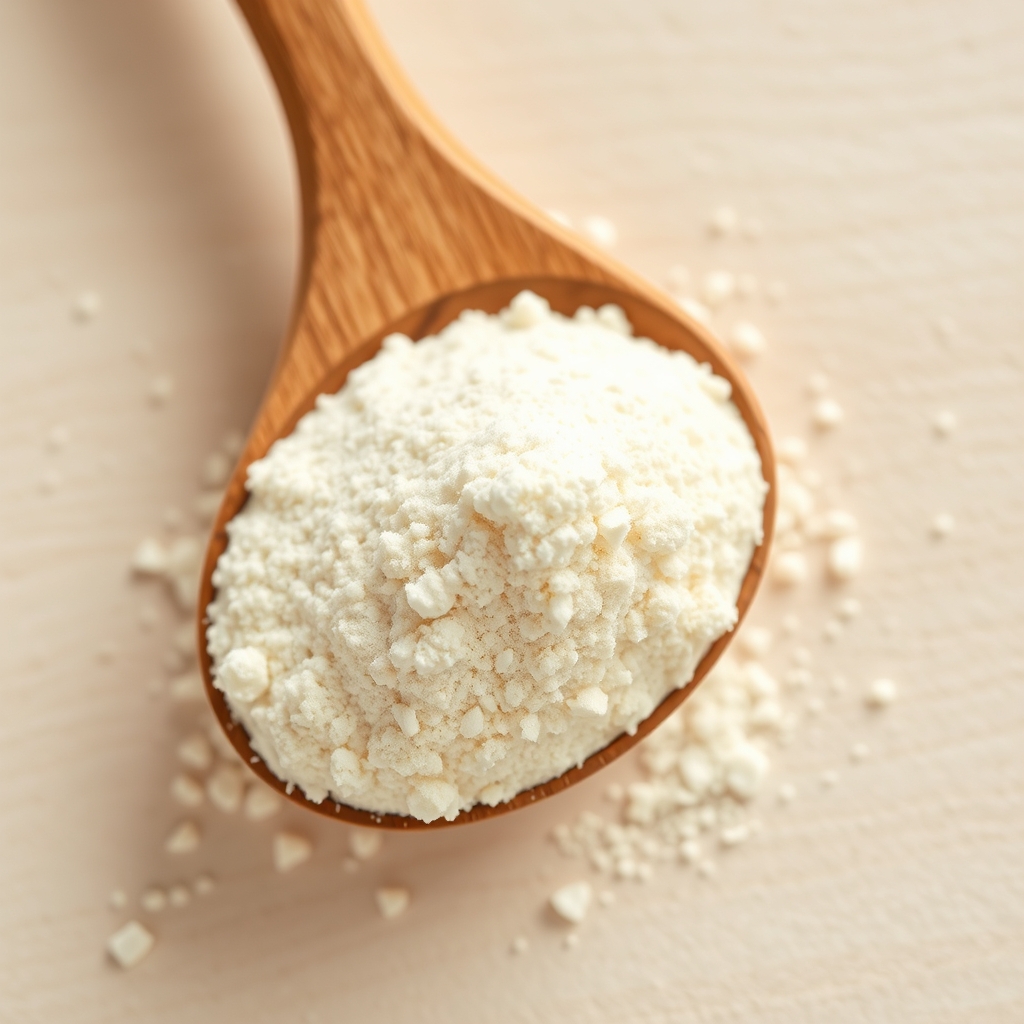
Psyllium Husk
Derived from the husks of Plantago ovata seeds, psyllium is one of the most concentrated natural sources of soluble fibre. It forms a gel-like substance when combined with water, and has been studied extensively in the context of digestive function and fibre adequacy in modern diets.
- Exceptionally high soluble fibre concentration
- Absorbs water to form a viscous gel in the digestive tract
- Well-documented fibre source in nutritional literature
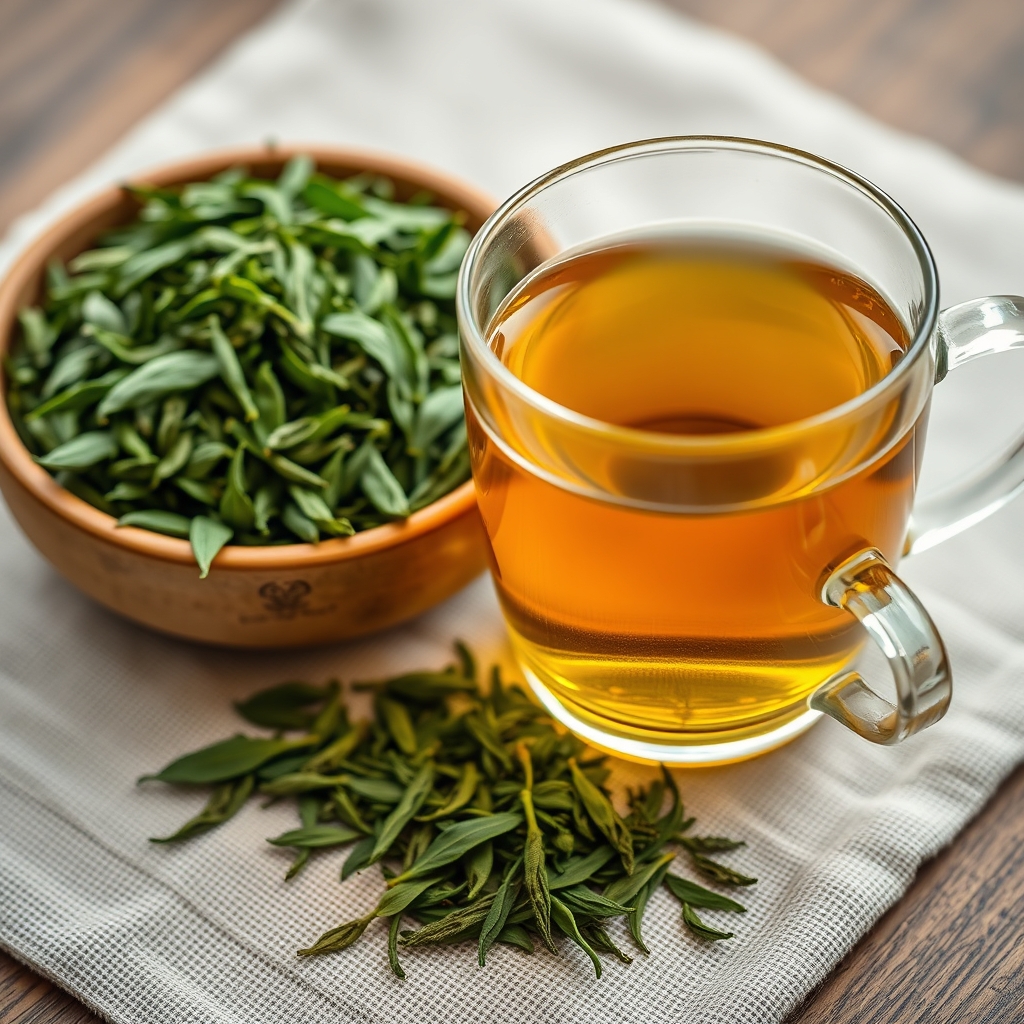
Green Tea Extract
Green tea, derived from the Camellia sinensis plant, contains a group of polyphenols called catechins, particularly epigallocatechin gallate (EGCG). These compounds have attracted considerable research attention for their antioxidant properties. Green tea has been consumed as a beverage for millennia across Asian cultures.
- Rich in catechin polyphenols, especially EGCG
- Traditionally consumed across diverse cultural contexts
- Subject of broad antioxidant compound research
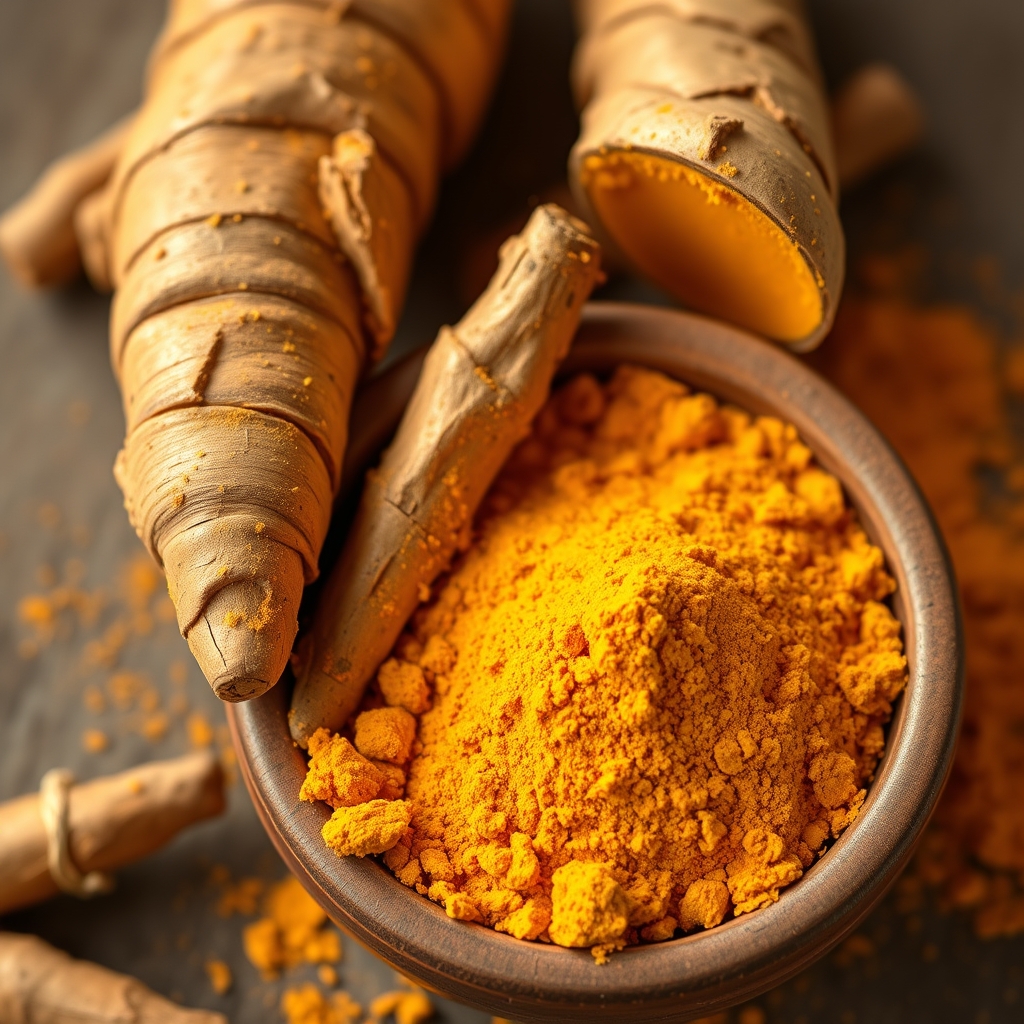
Turmeric Root Powder
Turmeric is a rhizomatous plant in the ginger family, used for thousands of years as a culinary spice in South Asian and Middle Eastern cooking. Its active compound, curcumin, has been extensively studied for its antioxidant properties. Turmeric provides manganese, iron, and potassium alongside its distinctive curcuminoid compounds.
- Contains curcumin, the primary curcuminoid compound
- Provides manganese, iron, and other trace minerals
- Long history of culinary use across multiple traditions
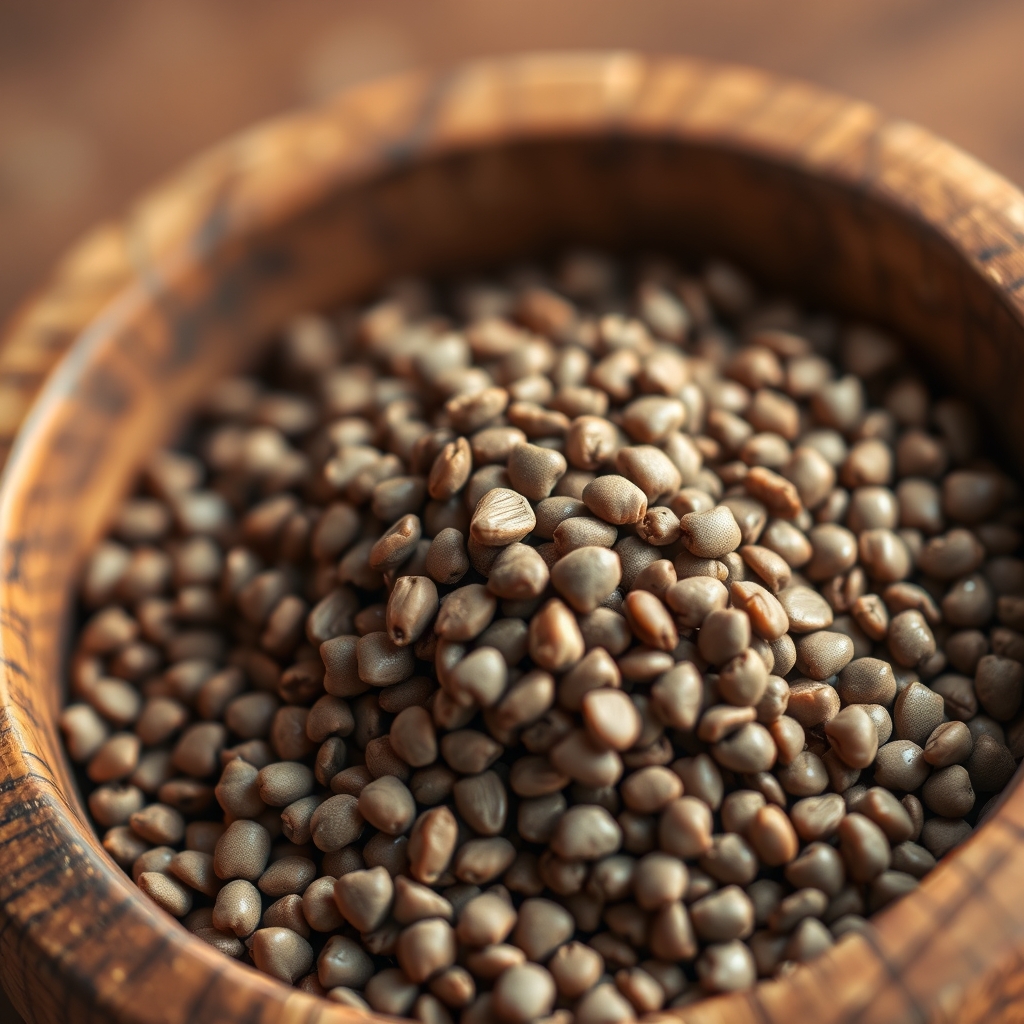
Fibre Blend Complexes
Combined fibre formulations typically bring together multiple plant-derived fibre sources — such as psyllium, inulin, and acacia gum — to provide a range of both soluble and insoluble fibre types within a single ingredient. Each fibre type behaves differently in the digestive environment and contributes distinct nutritional characteristics.
- Combines multiple plant-based fibre types in one source
- Provides both soluble and insoluble fibre fractions
- Versatile addition to a range of everyday food preparations
Nutritional Characteristic Overview
The table below provides a general comparative reference of the primary nutritional characteristics associated with each ingredient in nutritional literature. Dot levels indicate relative presence of each characteristic (conceptual illustration only).
| Ingredient | Omega-3 (ALA) | Dietary Fibre | Antioxidants | Plant Protein | Minerals |
|---|---|---|---|---|---|
| Chia Seeds | |||||
| Spirulina Powder | |||||
| Ground Flaxseed | |||||
| Psyllium Husk | |||||
| Green Tea Extract | |||||
| Turmeric Root Powder |
Filled dots indicate relative characteristic presence based on general nutritional literature. This table is a conceptual educational illustration, not a precise nutritional analysis.
Information Context & Limitations
All content in this catalog is general educational material about nutritional ingredients. It does not constitute individual dietary recommendations, professional nutritional advice, or guidance on personal decisions regarding supplementation or diet. Descriptions reflect general nutritional literature and do not imply any specific outcome. No products are sold on this platform. Consult a qualified professional for personal dietary guidance.